If you have a long, sloping driveway or yard, it is likely gorgeous, but it may also be a nightmare to maintain if you don't have the correct type of protection. For instance, there is no way that a swimming pool can be installed in a yard that is sloped. For the kids, a teeter-totter would never work. The outbuildings would be unable to sit correctly. This is why there are so many retaining walls surrounding so many houses. This is a fantastic approach to level out the home while still maintaining its aesthetic appeal. These walls are used for a variety of purposes, including separating roads and highways, keeping the earth from driveways and stairways, keeping riverbanks from eroding, and protecting cars from roadside embankments. When it comes to residential Retaining Wall in Googong, there are a variety of materials to choose from. When determining which retaining wall material is appropriate for you, take into account the wall's purpose, appearance, desire, and budget.
Examine the materials offered and select the one that best meets your requirements.
Wood
Wood is a material that has a traditional and rustic feel to it. When aesthetics are vital for a retaining wall, the grain and texture are visually warm and familiar, making it ideal. This is because it comes from a once-living source, making it easy to blend in with plants and the dirt outside. Because of its flexibility and light weight, wood is also easy to handle and cut into whatever shape you need for a wall. The disadvantage of wood is that it is not as resilient or durable as other materials. It can't take on too much weight and will rot if exposed to water or insects. To keep it in good shape over time, you'll need to treat it with chemicals and do routine maintenance.
Stone
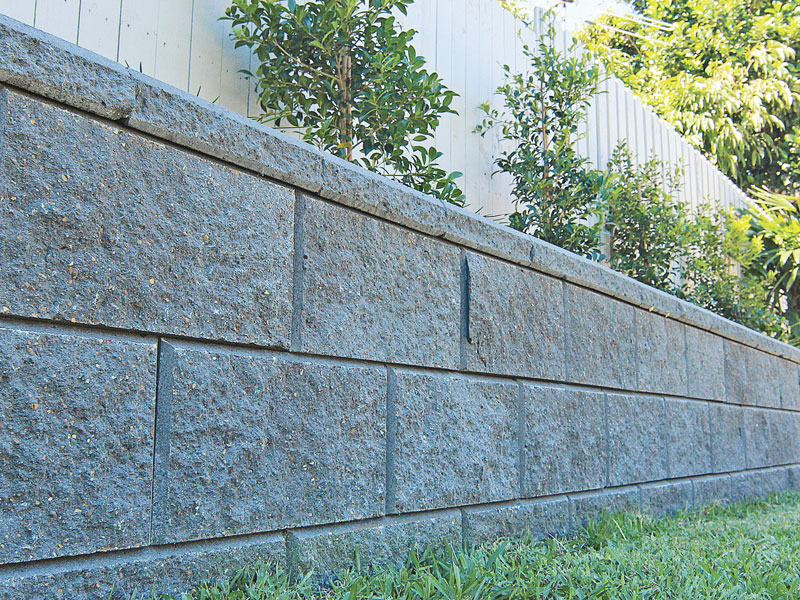
Stone, like wood, has been used to build constructions for centuries due to its strength. It also has a composition and appearance that is similar to that of nature, which adds to its visual appeal. It can be cut into even blocks that fit together easily to construct a Retaining Wall in Googong, or it can be used to fill a wire framework in gabion-style retaining walls. These techniques for working with stone can radically alter how you work with it. Blocks bring out the natural beauty of stone and may be readily assembled to match whatever land shape you're working with because they don't require any adhesive. However, putting them down might be time-consuming. It's easier to put stones into a gabion frame, but it can look more rustic. Water can corrode the wires that make up the frame as well.
Brick
Traditional retaining wall materials include brick, but their composition varies. Bricks can be made with clay, lime, and sand. Despite this, you may expect most bricks to have similar qualities. With brick, you won't have to worry about dampness, and it'll last a long time. However, unlike stone, bricks do require cement to hold them together. Furthermore, replacing a broken part of a brick retaining wall is a difficult undertaking because the integrity of the entire wall may be jeopardised.
Concrete
There are two types of concrete: blocks and poured concrete. Concrete blocks are better for shorter walls, as they will result in a weak construction if used too high. They're pretty easy to instal, and there's a large range of sizes to pick from. Furthermore, concrete is durable, so while a massive block wall loses stability, you can be assured that each unit will withstand the elements and the force of the soil on it.
Plastic Lumber
Plastic lumber combines a more natural appearance with long-lasting durability. HDPE plastic is moulded into boards with a surface grain texture similar to that of real wood and may be made in a variety of colours. The material comes in a variety of brown and grey colours, allowing it to blend in with a variety of natural settings.
"As with any construction project, do your homework and get quotes for your Retaining Wall in Googong. Request recommendations and feedback from friends and neighbours. Select a contractor with confidence, knowing you've covered all the bases. Once you have educated yourself on how retaining walls are constructed and you understand what to look for in a contractor, you're ready to boost the value and attractiveness of your home.
Disclaimer: This is generic Information & post; content about the services can be changed from time to time as per your requirements and contract. To get the latest and updated information, contact us today or visit our website.
Wonderful Post. I really enjoyed reading this informative guide on retaining wall materials and how each option suits different landscaping needs. The practical comparisons make it much easier for homeowners to choose the right solution. Strong landscaping and quality construction go hand in hand, just as Experienced Home Builders in Googong help create durable, functional, and visually appealing homes.
ReplyDelete